How cortisol and urban stress trigger adult hormonal acne and barrier flare-ups
How stress hormones, sleep and city living can drive adult hormonal acne and barrier flare-ups, and how dermatologists approach treatment.
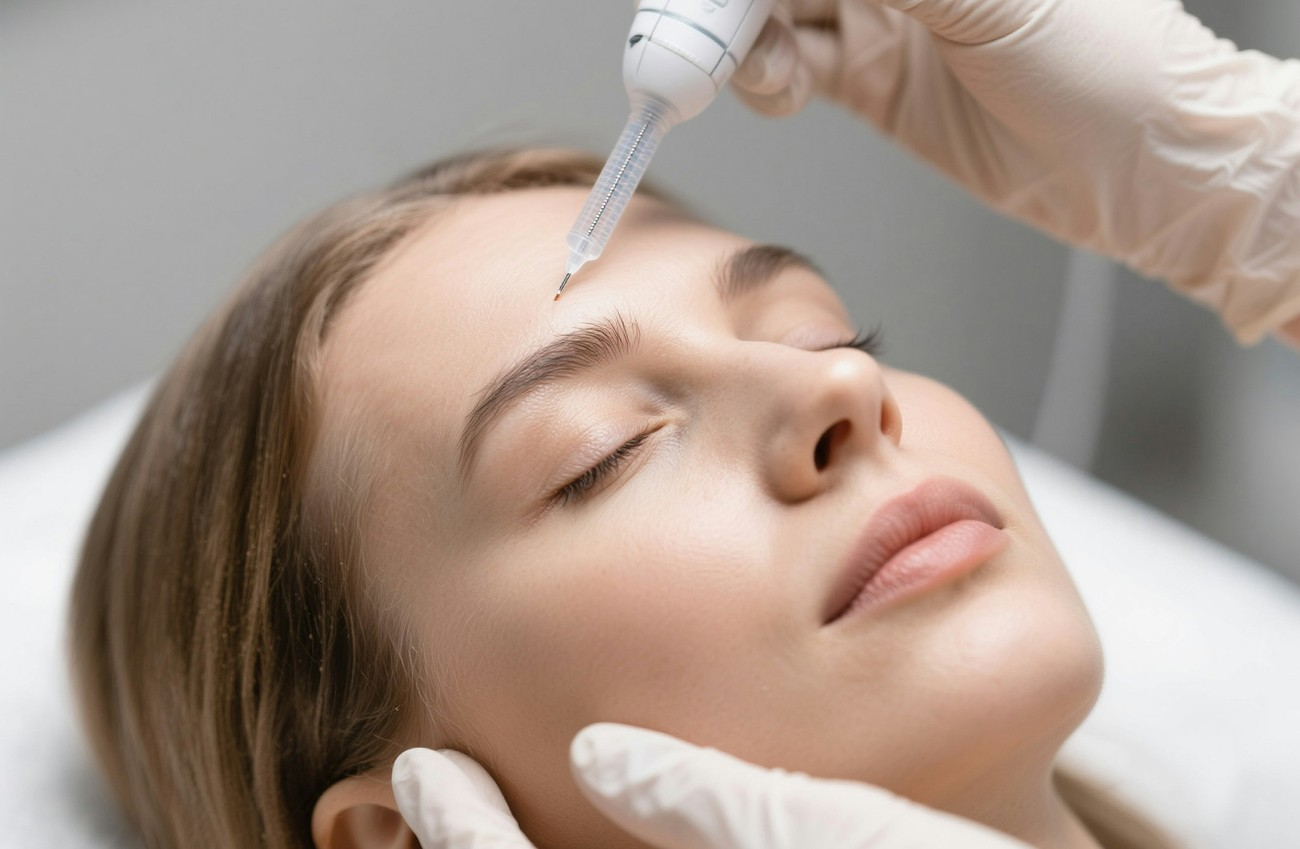
The link between stress hormones and sebaceous glands
Adult acne affecting the jawline, chin and lower cheeks is one of the most frequent concerns we see in clinic among patients in their twenties, thirties and forties—including many who had clear skin as teenagers.
Chronic work stress, late nights and circadian disruption elevate cortisol and adrenal androgens. Sebaceous glands carry receptors that respond to these hormones by producing thicker sebum and increasing local inflammation around the hair follicle.
1. Recognising adult hormonal and stress-related acne
Adult acne often behaves differently from adolescent breakouts:
- Lower-face distribution: tender, deep-seated nodules or closed comedones concentrated along the chin, jawline and neck.
- Cyclical or stress-linked flares: lesions that worsen before menstruation, during travel or after periods of poor sleep.
- Prolonged pigment marks: dark brown post-inflammatory hyperpigmentation (PIH) that lingers for weeks after a papule flattens.
2. Why harsh drying washes worsen flare-ups
Because adult skin often has a slower barrier turnover than teenage skin, aggressive foaming cleansers, frequent alcohol-based spot treatments and physical scrubs strip surface lipids. This leaves skin simultaneously flaky and congested, increasing inflammation and the risk of dark marks.
"Treating adult acne requires calming inflammation and protecting the skin barrier at the same time—not drying the skin into submission."— Dr. Darshana (Consultant Dermatologist)
3. Clinical evaluation and medical treatment options
A dermatology consultation looks beyond surface spots to evaluate underlying drivers:
- Targeted medical topicals: prescription retinoids, azelaic acid or anti-inflammatory agents paired with ceramide moisturisers.
- Endocrine screening when indicated: checking for signs of PCOS, insulin resistance or thyroid imbalance when breakouts are accompanied by irregular cycles or hair changes.
- In-clinic adjuncts: conservative salicylic or mandelic peels and comedone extraction performed under sterile conditions to reduce congestion and post-acne pigmentation.
Book a digital skin barrier assessment
Consult Dr. Darshana for a dermoscopic analysis and bespoke medical skincare blueprint.

More from the Skin Journal
A dermatologist’s guide to repairing a damaged skin barrier on Indian skin

Collagen banking in your 30s: when to introduce retinoids, peptides and Profhilo