


Acne treatment
Dermatologist-led acne treatment for the face, body and neck: diagnosis, prescription care, peels and procedures, and scar prevention.
Sessions
Reviewed every 4–8 weeks; in-clinic procedures as needed
Downtime
Usually none; peels may cause mild flaking
Results
Improvement usually begins at 6–8 weeks; maintenance prevents relapse
What to expect during your visit
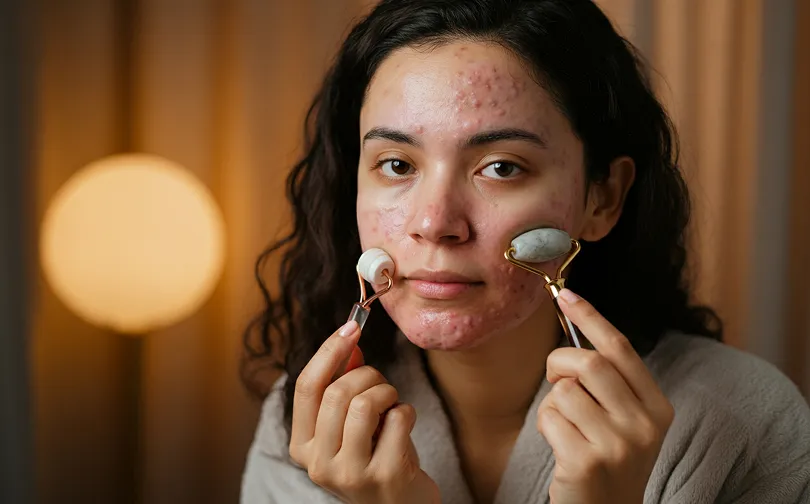
Acne is a medical condition with several drivers: oil production, blocked pores, bacteria, inflammation and hormones. Dr. Darshana examines your skin, asks about triggers and, where relevant, arranges hormone tests.
Treatment usually combines prescription creams and, where needed, oral medicines (such as antibiotics, hormonal therapy or isotretinoin), with in-clinic treatments such as peels, extractions or light-based therapy. Once acne is controlled, marks and scars can be treated.
Every plan begins with a consultation with Dr. Darshana, Consultant Dermatologist, who confirms whether this treatment suits you.
Clinical indications & suitability
Concerns addressed by this protocol
- Teenagers and adults with acne on the face, back, chest or neck.
- Adults with hormonal acne, including acne linked to PCOS.
- People with acne that leaves marks or scars, where early control matters most.
Before & after your session
Before your session
- Bring a list of products and medicines you have used.
- Come without make-up so your skin can be examined.
Aftercare
- Use treatments exactly as prescribed, even when skin starts to improve.
- Avoid picking or squeezing, which increases marks and scars.
Risks & side effects
- Dryness, irritation or sun sensitivity from topical treatments.
- Side effects specific to oral medicines, which are explained and monitored.
- Isotretinoin must not be taken during pregnancy and requires specific precautions.
Procedure: Non-invasive.
Individual results vary. Your dermatologist will discuss the risks that apply to you before treatment.
Acne treatment: FAQs
Most treatments take 6–8 weeks to show clear improvement. Sticking with the plan matters.
Book your protocol consultation
Explore other clinical protocols

Chemical & glow peels
Medical-grade peels chosen for your skin type to improve dullness, uneven tone, acne, pigmentation and texture, from gentle glow peels upwards.

CO2 laser for acne scars
Fractional CO2 laser resurfacing to improve acne and chickenpox scars, often combined with subcision or PRP, after a scar assessment.

Microneedling RF (MNRF)
Microneedling radiofrequency to improve skin texture, pores, acne scars and mild laxity by stimulating collagen in the deeper skin.

HydraFacial
A multi-step medical facial that cleanses, exfoliates, extracts and hydrates, with no downtime. Suitable for most skin types.
Also in Medical Dermatology
From the Skin Journal
Laser hair reduction on Indian skin: sessions, safety and what to expect
Clinical Dermatology
Melasma treatment options for Indian skin: peels, laser toning and daily care
Clinical Dermatology
How cortisol and urban stress trigger adult hormonal acne and barrier flare-ups
Acne & Hormones
A dermatologist’s guide to repairing a damaged skin barrier on Indian skin
Clinical Dermatology