Melasma treatment options for Indian skin: peels, laser toning and daily care
How dermatologists in Bengaluru assess epidermal and dermal melasma, and combine photoprotection, topical therapy, peels and conservative laser toning.
Why melasma requires a cautious, long-term approach on Indian skin
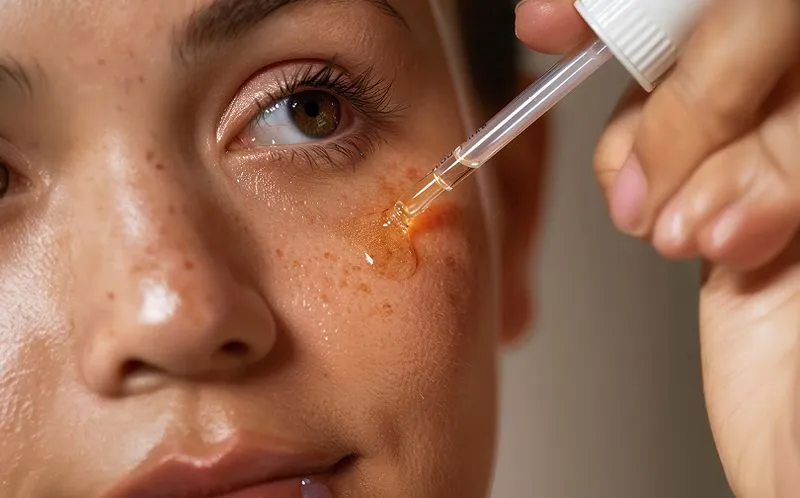
Melasma presents as symmetrical brown or grey-brown patches across the cheeks, bridge of the nose, forehead or upper lip. In Indian skin phototypes, it is driven by an interplay of ultraviolet radiation, visible blue light, heat, hormonal shifts and vascular reactivity—not simply surface sun tan.
Because melanocytes in melasma-prone skin are hyper-reactive, aggressive heat or harsh peels can easily provoke rebound darkening. Effective management relies on steady pigment suppression and strict barrier care rather than aggressive one-off procedures.
1. Assessing pigment depth and trigger factors
During a consultation in our Indiranagar clinic, Dr. Darshana evaluates several clinical details before prescribing:
- Depth of pigment: epidermal pigment responds more readily to topical agents and superficial peels, whereas deeper dermal or mixed melasma clears more gradually.
- Vascular component: background redness and dilated capillaries often feed chronic melasma relapses.
- Hormonal and medication history: pregnancy, oral contraceptives, thyroid changes and photosensitising cosmetics.
2. Daily photoprotection against UV and visible light
Standard UV-only sunscreen is rarely enough for melasma. Visible daylight (including indoor window light) stimulates pigment in darker phototypes. We recommend a broad-spectrum SPF 50+ PA++++ tinted sunscreen containing iron oxides, applied in adequate quantity and reapplied every three to four hours during daylight.
3. Prescription topicals, chemical peels and Q-switched laser toning
Clinical treatment is layered conservatively in phases:
- Non-steroid medical topicals: tranexamic acid, azelaic acid, kojic acid, arbutin and time-limited prescription agents supervised closely by a dermatologist.
- Superficial depigmenting peels: gentle, well-spaced peels applied only once the skin barrier is calm and primed.
- Low-fluence Q-switched laser toning: selective photoacoustic energy used at conservative settings in selected patients to break up stubborn pigment granules without overheating the epidermis.
"Unsupervised triple-combination steroid creams bought over the counter can lighten melasma for two weeks, then cause steroid-damaged skin and severe rebound pigmentation. Always check the ingredient label with a dermatologist."— Dr. Darshana (Consultant Dermatologist)
4. Maintaining clarity across seasons
Melasma is a chronic relapsing condition similar to sensitive skin or eczema. Once patches lighten, transitioning to a gentle maintenance routine with antioxidants, non-irritating brighteners and year-round tinted sun protection keeps results stable.
Book a digital skin barrier assessment
Consult Dr. Darshana for a dermoscopic analysis and bespoke medical skincare blueprint.

More from the Skin Journal

A dermatologist’s guide to repairing a damaged skin barrier on Indian skin

Collagen banking in your 30s: when to introduce retinoids, peptides and Profhilo